How long does it take to become a Pilates instructor?
In short...
The duration of Pilates instructor training depends on the course type and delivery format, ranging from a few weeks to up to a year, with additional requirements for observational and practical teaching hours.
For those with no health background, the APPI Pilates Instructor Certification can be completed intensively in 3 weeks or spread across 3–6 months via weekend modules. We also offer a 100% Online Pilates Instructor Certification course.
For health professionals, APPI Clinical Pilates courses also offer intensive (3 weeks total) or weekend module options (3–9 months), allowing flexibility based on personal schedules.
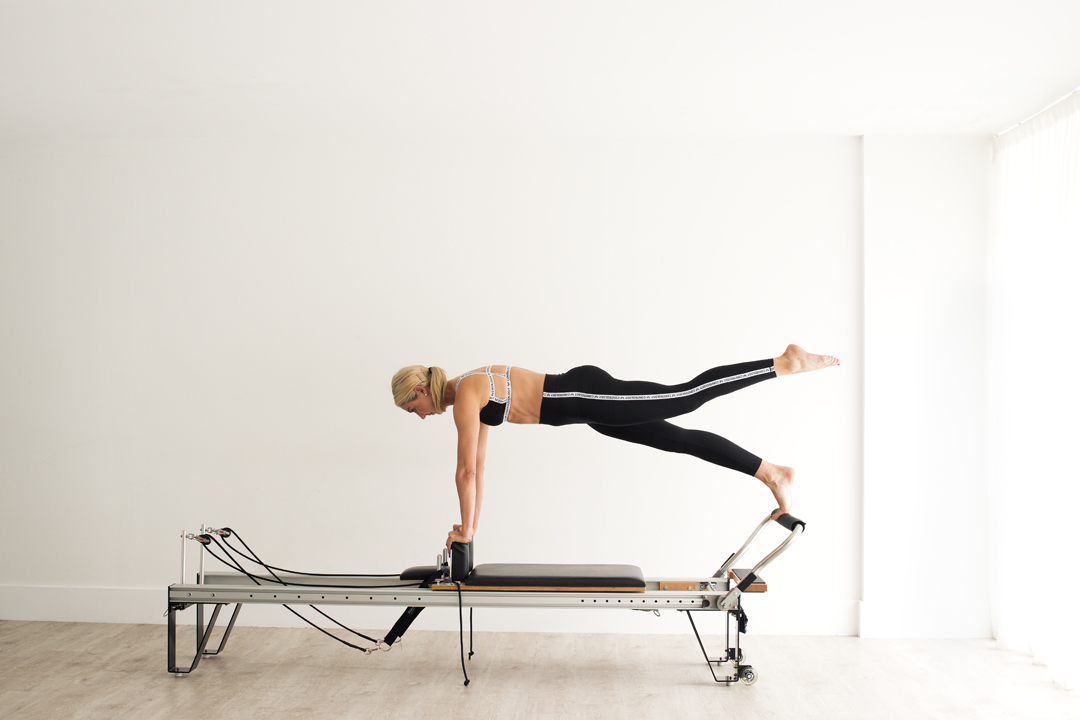
Becoming a certified Pilates instructor can take as little as three weeks or as long as nine months. The right answer depends entirely on your schedule, not the difficulty of the course. This guide breaks down every training format on offer at Unite Health, what's included in each, and which pathway is most likely to suit your life right now.
What's the shortest time to become a qualified Pilates instructor?
The fastest route to certification is 3 weeks. The APPI Pilates Instructor Certification intensive format covers matwork and reformer Pilates in consecutive full-time days at our Melbourne studio in Prahran.
This format is designed for people who want to start teaching as quickly as possible: career-changers, people between jobs, or anyone who can carve out three weeks and commit fully. There's no shortcut on content: you cover the same anatomy, physiology, exercise repertoire, and teaching methodology as the longer formats. You just do it without breaks between modules.
What the intensive suits:
- Career-changers who need to qualify quickly
- People with a block of leave available
- Anyone who learns best through full immersion
- Students who want to be earning sooner
How long does part-time Pilates training take?
Part-time training through the weekend module format takes 3 to 6 months. Sessions run across weekends, with online components completed in your own time between contact days.
This is the most popular format for people who are working full-time while they train. It's also the most common pathway for those who want to spread the investment over time and apply what they're learning in real life as they go. You have up to 2 years to complete your full certification, so even if life gets in the way, your progress is protected.
The hybrid format sits in the middle: online learning via Zoom combined with an in-person intensive component, typically completed across 3 months. It's a good option if you're not based in Melbourne and want to minimise travel.
Here's how the three formats compare:
| Format | Duration | Structure | Best for |
|---|---|---|---|
| Intensive | 3 weeks | Full-time, consecutive days | Fast qualification, immersive learners |
| Part-time | 3–6 months | Weekends + self-directed online | Working professionals |
| Hybrid | 3 months | Online Zoom + in-person intensive | Regional students, mixed learners |
| 100% Online | Self-paced | No fixed schedule | Maximum flexibility |
Does the online course take longer?
The 100% online course has no fixed schedule and no start dates. You enrol and begin immediately. Most students complete it in 3 to 9 months, but you can move faster or slower depending on how much time you have each week.
The online format covers the same APPI curriculum as the in-person courses. The difference is delivery: you work through pre-recorded content, including sessions delivered by APPI Co-Founder Glenn Withers, and complete your practical assessments at your own pace. For people who need total flexibility (shift workers, parents, regional and interstate students), it's the most practical pathway to certification.
What the 100% online format includes:
- Self-paced pre-recorded video content
- APPI matwork and reformer modules
- Written and practical assessments
- Up to 2 years to complete
- Access to the global APPI community of 50,000+ instructors
How long does Clinical Pilates training take for health professionals?
Clinical Pilates certification for allied health professionals follows the same timeline as the general certification: 3 weeks intensive or 3 to 9 months via weekend modules.
The key difference is not the duration but the level. APPI Clinical Pilates courses are pitched at postgraduate level and designed specifically for physiotherapists, osteopaths, sports scientists, myotherapists, and other degree-qualified health professionals. Anatomy, physiology, and postural assessment are treated as assumed knowledge, so the full training time is spent on Pilates-specific clinical reasoning and repertoire rather than revisiting university content.
The Clinical Pilates pathway is structured in two parts:
- Matwork Certification: 6 days of face-to-face training (intensive) or spread across weekend modules
- Equipment Certification: 8 days of face-to-face training (intensive) or spread across weekend modules
Both can be completed independently or combined as part of a full clinical certification.
What else affects how long it takes?
The contact hours are only part of the picture. Like most practical qualifications, APPI certification includes self-directed hours that you complete outside of course days.
These typically include:
- Observation hours: watching qualified instructors teach
- Self-practice hours: developing your own movement understanding
- Practice teaching hours: teaching under supervision before assessment
How quickly you move through these depends on how much time you have each week. Someone who prioritises their observation and practice hours alongside course modules will qualify faster than someone fitting it around a very busy schedule. Most students find these requirements genuinely useful rather than administrative. They're how you build confidence before you're teaching your first paying client.
Can you work as a Pilates instructor while you're still training?
Not as a fully certified instructor, but plenty of students start building their network and presence during training. Many of our graduates line up their first teaching opportunities before they've completed their final assessments, particularly those who do the intensive format and are out in the industry quickly.
Unite Health also has a job board connecting graduates with studios and employers looking specifically for APPI-certified instructors. Because the APPI certification is recognised in over 24 countries, your qualification has value beyond Australia from day one.
Which format is right for you?
The right format is the one you'll actually finish. A 3-week intensive is excellent if you have the time and want to be teaching sooner. The part-time weekend format is more realistic for most working adults, and the online course suits anyone who needs true flexibility.
If you're unsure, our course advisors offer free one-on-one consultations. They'll talk through your schedule, your goals, and which format other people in similar situations have chosen. It's worth a conversation before you commit.
Pilates instructor certification is genuinely achievable in weeks, not years. The timeline is yours to control.
Take the First Step Towards Pilates Certification
Whether your nearest location is a Pilates course in Melbourne, Pilates course in Sydney, or Pilates course in Brisbane, your pathway to becoming a certified instructor starts with enrolling in a recognised program.
From your first training day to your first class as a qualified instructor, you’ll be building not only a new career but also a healthier, more balanced lifestyle for yourself and your clients.