How much does a Pilates instructor earn in 2026?
In short...
Pilates instructor earnings typically range from $35 to $70 per hour, depending on the studio, with higher income potential for those who are self-employed or own their own studio (up to $100k+ annually).
Income flexibility is a key benefit: some instructors teach part-time as supplementary income, while others build full-time careers in Pilates.
For health professionals, adding Clinical Pilates can increase client retention, attract new clients, and provide an additional revenue stream with low overhead costs.
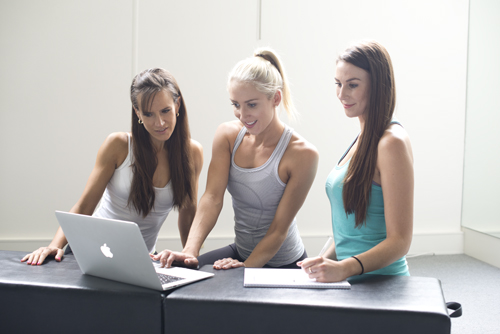
Pilates is one of the fastest-growing fitness careers in Australia, but most salary guides give you a number without any context. This page breaks down what Pilates instructors actually earn, by employment type, experience level, and city, so you can make a clear-eyed decision about the career before you enrol.
What's the average Pilates instructor salary in Australia?
The average hourly rate for an early-career Pilates instructor in Australia is around $37.50 per hour, with the range typically sitting between $29 and $49 per hour depending on experience, studio, and city.
That works out to roughly $61,000 to $102,000 per year at full-time hours, though most instructors start part-time and build their hours as they grow their client base and reputation. These figures come from PayScale's 2026 Australian data and reflect employed roles in studios and gyms.
The national picture at a glance:
| Experience level | Hourly rate | Annual (full-time equivalent) |
|---|---|---|
| Early career (0–2 years) | $29–$45/hr | $55k–$86k |
| Mid-career (3–5 years) | $40–$60/hr | $76k–$115k |
| Senior / specialist | $55–$70/hr | $105k–$135k |
| Studio owner | Variable | $100k–$150k+ |
These are broad guides. Your actual earnings will depend on how quickly you build experience, the studio you work with, and whether you teach employees or privately.
How does employed teaching compare to self-employment?
Employed instructors have the benefit of a predictable schedule and no business overhead. The studio provides the equipment, the clients, and the booking system. Typical employed rates run $35 to $55 per hour in most major Australian cities.
Self-employed instructors and those running their own classes have a wider income ceiling, but also more variables to manage. If you're charging clients directly, a reasonable rate for a private one-on-one session is $80 to $120 per hour. Group class rates vary more, but instructors running their own small group sessions often charge $40 to $60 per person per class.
The income difference between employed and self-employed comes down to volume and overheads. A self-employed instructor teaching 20 private sessions a week at $90 per session is earning $1,800 per week gross, but they're also covering insurance, equipment, marketing, and their own superannuation. Neither path is better: they suit different goals and personalities.
What do Pilates studio owners earn?
Studio ownership is where the highest income potential sits, but it also carries the highest risk and responsibility. Successful studio owners in Australia report annual earnings of $100,000 to $150,000+, with some larger operations earning considerably more.
That income comes from a combination of:
- Class revenue from instructors on payroll or commission
- Private client sessions
- Courses, workshops, and specialty training
- Retail products (reformers, apparel, accessories)
- Space hire to other instructors or practitioners
Running a studio isn't for everyone, and it's a fundamentally different job to teaching. But for APPI-certified instructors who want to build a business over time, it's a realistic path. Unite Health has graduated many instructors who've gone on to open successful studios across Australia.
Does income vary by city?
Yes, meaningfully. Rates in Sydney and Melbourne tend to run higher than Brisbane, Perth, and Adelaide, reflecting both the cost of living and the density of the market.
Approximate employed rates by city:
- Sydney: $40–$65/hr
- Melbourne: $38–$60/hr
- Brisbane: $35–$55/hr
- Perth: $35–$55/hr
- Adelaide: $32–$50/hr
These are studio instructor rates. Private and clinical rates tend to be higher across all cities, and less sensitive to geographic variation.
How much can allied health professionals earn by adding Clinical Pilates?
For physiotherapists, osteopaths, and other allied health professionals, adding APPI Clinical Pilates to your practice is one of the clearest ways to grow revenue without significant overhead.
The model works like this:
- You retain existing clients for longer by offering Pilates alongside one-on-one treatment
- You attract new clients who are specifically seeking clinically-led Pilates
- You run small group clinical sessions (typically 2 to 4 clients) at premium rates
Clinical Pilates group sessions in a health setting typically charge $60 to $100 per client per session. Running two group sessions per day, four days per week, with three clients per group, adds $1,440 to $2,400 per week to your clinic's revenue, using one hour of your time per session and equipment you likely already have.
The return on investment for a Clinical Pilates certification is typically measured in months, not years.
What affects how much a Pilates instructor earns?
Beyond employment type and city, several factors make a real difference to earning potential:
- Certification quality: Instructors with internationally recognised qualifications like APPI are actively sought by premium studios, which tend to pay at the top of the market.
- Specialisation: Instructors who specialise (pre/postnatal, injury rehab, athletes, seniors) can charge more for private sessions and workshops because they solve a specific problem.
- Teaching formats: Reformer instructors typically earn more than mat-only instructors because reformer equipment has a higher barrier to entry and clients pay more for sessions.
- Personal brand: Instructors who build a social media presence or local reputation can fill their own classes and avoid being entirely dependent on a studio's client base.
- Hours taught: Earnings scale directly with hours. Most instructors start at 10 to 15 hours per week and build from there as they gain clients and confidence.
Is Pilates instruction a financially sustainable career?
Yes, with the right foundation. The instinct to ask "but is it enough?" often comes from imagining a flat hourly rate indefinitely. In practice, Pilates instructors who stay in the industry typically see their rates and hours grow steadily as their reputation builds.
The most financially sustainable instructors tend to combine employed studio work (consistent income) with some private or self-directed teaching (higher margin). Starting with a studio gives you clients, experience, and credibility. Building from there into private or group work is where the income ceiling rises.
A well-rounded Pilates career in Australia can absolutely provide a full-time living. The instructors who struggle are usually those who try to go fully self-employed too soon, before they have the experience and network to fill their own schedule.
A Pilates career offers real income potential. The range is wide, but so is the opportunity to shape it. If you'd like to talk through the earning potential for your specific situation, our course advisors can share what graduates in similar roles are earning.
Take the First Step Towards Pilates Certification
Whether your nearest location is a Pilates course in Melbourne, Pilates course in Sydney, or Pilates course in Brisbane, your pathway to becoming a certified instructor starts with enrolling in a recognised program. We also offer a 100% Online Pilates Instructor Certification course.
From your first training day to your first class as a qualified instructor, you’ll be building not only a new career but also a healthier, more balanced lifestyle for yourself and your clients.