The Trends Expected to Dominate the Health and Fitness Industry in 2026 in Australia
Key Takeaways
-
Holistic health integration will dominate 2026: The industry will see a definitive shift toward combining physical fitness with mental and emotional well-being, specifically through mindfulness, breathwork, and meditation.
-
Preventative care and personalisation are essential: Demand will surge for "prehab" injury prevention strategies and hyper-personalised programmes driven by wearable health data.
- Specialisation drives career growth: Fitness professionals and allied health practitioners must adopt niche qualifications, such as pre/post-natal or menopause support, to differentiate themselves in a competitive market.
For health and fitness professionals, understanding future industry shifts is essential for career longevity. 2026 is anticipated to reshape how practitioners treat clients, with a focus on future-proofing careers through strategic upskilling.
Here are the key trends predicted to shape the Australian health and fitness landscape this year.
What is the holistic approach trend for 2026?
The integration of physical, mental, and emotional health will become the standard, moving beyond simple exercise to comprehensive well-being.
In recent years, the industry has moved toward modalities that require the mind and body to work as one. In 2026, this trend will expand significantly.
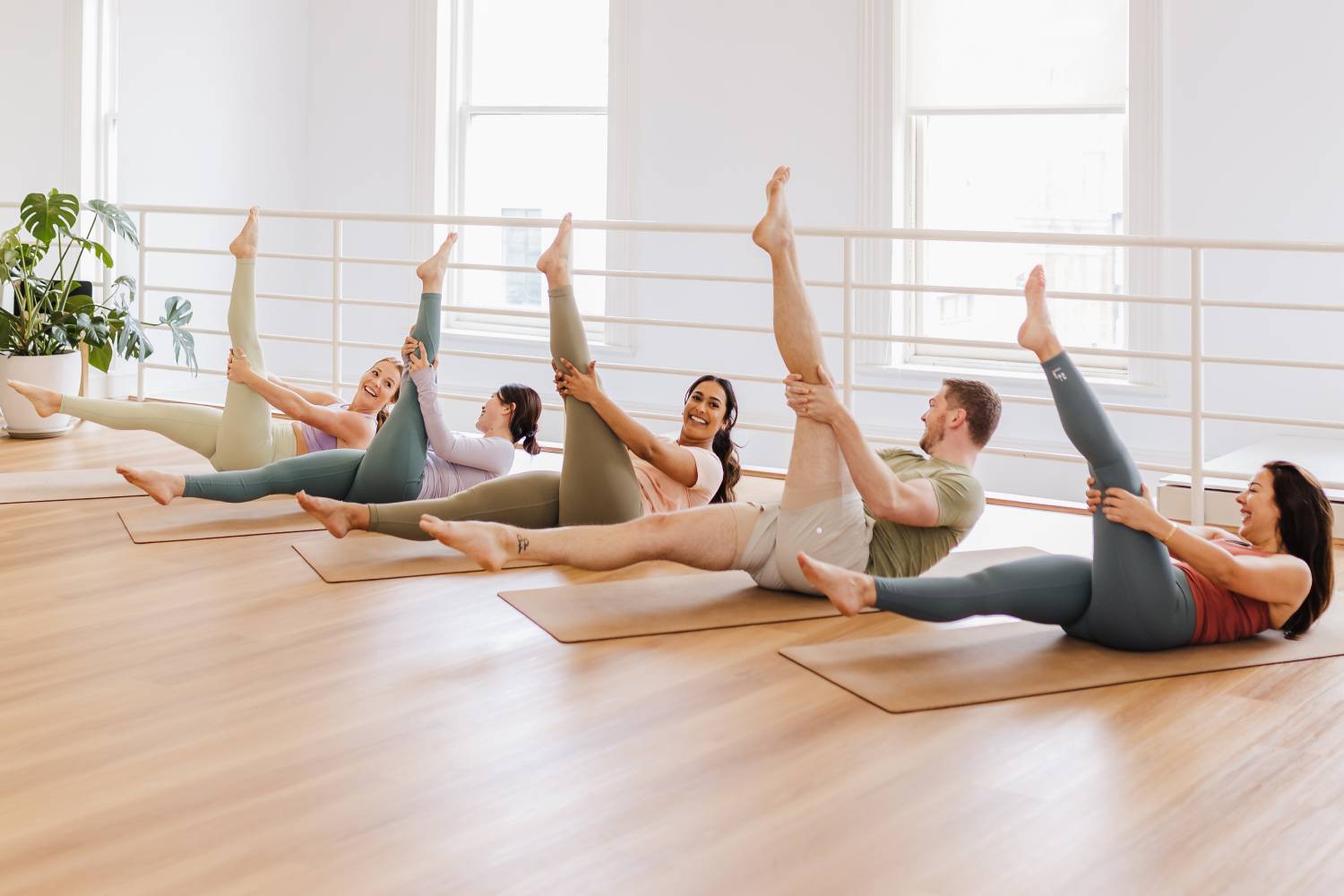
- Mind-Body Connection: There is increasing demand for low-impact, intentional movement modalities like Pilates and yoga that nurture mental well-being alongside physical strength.
-
Mindfulness Integration: Expect a greater push to include breathing exercises, relaxation techniques, and meditation within fitness programmes.
-
Cross-Disciplinary Care: Pilates instructors are increasingly partnering with mental health professionals or upskilling in mindfulness to offer holistic support.
Holistic Health is: An approach that views physical fitness, mental health, and emotional stability as interconnected parts of a client's overall wellness.
Course Recommendation: To stay ahead of this curve, the Mindfulness, Meditation and Breathwork for Pilates course offers 100% online training to help instructors integrate these skills.
How will injury prevention and rehabilitation evolve?
Preventative care, or "prehab," will take centre stage, with Clinical Pilates becoming a primary tool for both injury prevention and surgical recovery.
2026 will prioritise addressing musculoskeletal health before injury occurs. This shift applies not only to active individuals but also to sedentary populations becoming aware of the risks of inactivity.
- Pre-Injury Focus: Clients will seek physiotherapists to learn correct form and technique to prevent future issues.
- Clinical Application: Clinical Pilates will be increasingly relied upon for injury recovery, pain management, and protocols for those returning to exercise.
- Surgical Integration: Post-surgery protocols will feature Pilates more heavily as part of a holistic treatment approach.
- Clinical Pilates is: A specialised form of Pilates often used by physiotherapists to treat specific injuries, tailored to a patient's unique physical needs and rehabilitation goals.
Course Recommendation: The APPI Clinical Pilates Certification is designed to set practitioners apart by providing the expertise needed to offer this comprehensive care.
Why is personalisation crucial in fitness programming?
Clients now expect highly tailored programmes based on real-time data derived from the rising use of wearable technology.
Generic plans are becoming obsolete. With access to fitness apps, watches, and trackers, clients demand programming that adapts to their specific physiological data.
-
Data-Driven Decisions: Instructors can use client data to monitor performance, such as form during class or adherence to recovery protocols.
-
Real-Time Progress: Performance tracking allows professionals to demonstrate progress instantly and refine programming for efficiency.
-
Result Efficiency: A personalised approach allows clients to achieve results in a more efficient timeframe.
What opportunities does corporate wellness offer?
Businesses are increasing investment in employee well-being to improve retention and productivity, creating a massive new market for fitness professionals.
Employers are recognising that supporting physical and mental health reduces burnout and turnover. This shift opens new revenue streams for health practitioners.
Corporate Wellness Opportunities
| Opportunity Type | Description |
| On-site Classes | Group fitness or Pilates classes used for employee bonding and stress relief. |
| Education | Seminars and speakers presenting on health, stress management, and ergonomics. |
| Retreats |
Wellness retreats designed for staff members to disconnect and recharge. |
| Incentives | Funded gym memberships, massages, and healthcare services as part of salary packages. |
As employees engage with these services at work, they are more likely to seek them out privately, expanding the potential client base for instructors and therapists.
How does niche specialisation benefit fitness careers?
Specialising in specific populations allows professionals to differentiate themselves and attract a loyal target audience.
Clients are increasingly seeking experts rather than generalists. Professionals who align their training with specific client needs will stand out as preferred providers.
Niche Specialisation is: The practice of focusing education and services on a specific demographic, such as high-performance athletes, children, or those with chronic conditions.
Examples of high-demand niches include:
-
Menopause: Targeted support for hormonal and physical changes (e.g., APPI Pilates for Menopause).
-
Paediatrics: Movement for younger populations (e.g., APPI Pilates for Kids and Teens).
-
Pre/Post-Natal: Specialised care for pregnancy and recovery (e.g., APPI Ante / Post Natal Reformer/Matwork courses).
By pursuing these qualifications, practitioners can market themselves as experts, making it easier for their target audience to find them.
Final Thoughts: Are You Ready for 2026?
2026 will be a year of innovation, requiring a commitment to expansion and adaptation. For Pilates instructors and allied health professionals, the key to success lies in discovering your passion and upskilling to meet market demand.
Next Steps for Your Career:
-
Plan: Define your strategy for the year by exploring new certification opportunities.
-
Commit: For those entering the field, the APPI Pilates Instructor Certification offers recognised training.
-
Upskill: Allied health professionals should consider the APPI Clinical Pilates Certification to enhance patient care.
Would you like to book a free chat with a Unite Health course expert to discuss which certification aligns best with your 2026 career goals?